Chickens and Egg Production
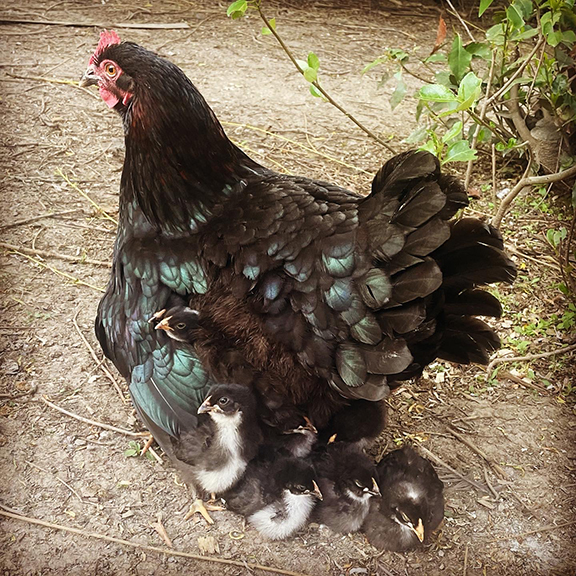
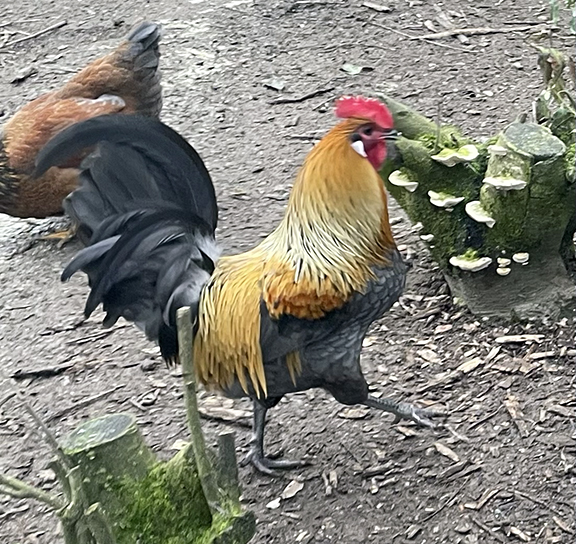
We maintain a small mixed-breed flock of about 75 chickens (and 2 guinea fowl), give or take a few, primarily for egg production. While we might prefer a smaller flock, we do like to let our ladies live out their natural lives, rather than culling when production dwindles. Also, in early 2024 the ladies figured out how to best hide about the property to venture forth only when they have 6-20 fluffy, unbidden additions.
This appears to be one of the downsides to having an entirely free-range troop of modern feral pterodactyls who run about almost entirely as they please. The upside is that they produce very delicious and healthy eggs when we can find them.
Egg production at this scale and level of chicken coddling is rarely part of a lucrative business model, so our aim is to break even and have eggs to add to our CSA shares or sell on our farmstand. The poultry also provide endless entertainment and plenty of fertilizer for our orchards and compost bins.
Certification and Feed
While we do our best to raise our flocks ethically and without pesticides, our egg production is not certified organic or CNG like our produce is.
Although we supplement with certified organic feed and grubs provided by companies such as the local Scratch & Peck and Modesto Milling, it is cost-prohibitive for us to use these as our main source of feed. For our main feed, we purchase as part of a co-op from the Spokane company Natural Farm Feed, which is certified GMO-, Corn-, and Soy- Free – and which claims to avoid purchasing oversprayed grain.
We primarily use natural methods for mite, flea, and worm treatment, but occasionally treat in non-organic ways during the off-season, coupled with an egg withdrawal period. Injuries we treat with the appropriate care, and occasional use of antibiotics. The health of our flock is our primary interest!
We are also cautious with the avian flu: we do not keep waterfowl; we maintain our coops on high ground; and we keep our farm boots separate from our off-farm shoes.
MVC (Most Valued Chicken) Awards
2025 saw our inaugural MVC award go to the long-lived and terrifying-when-broody hen, Beyoncé. Ever willing to adopt any a motherless chick, Beyoncé capably defends orphans against any predator or farmer, and delivers the most frightening askance gaze. It was enormously difficult to imagine who could fill her boots for the new year.
Happily, the TTF committee has come to an early decision and awarded the 2026 MVC Award to none other than… Beardleaf!
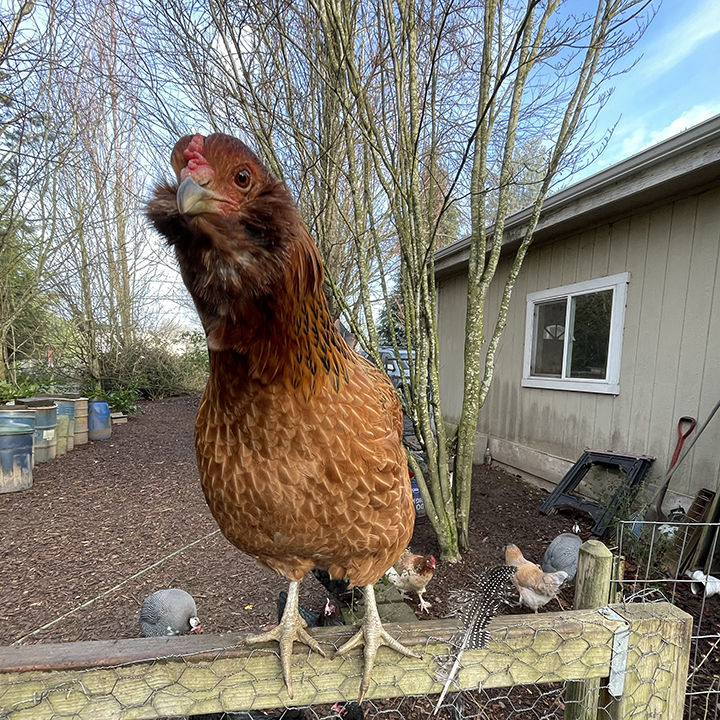
Cut from an entirely different cloth than our dear Beyoncé, Beardleaf is goofy, sweet, semi-cuddly, and entirely willing to usher us into the yard each morning from her solo perch on the gate. Beardleaf balances masterfully on the treat-bin to make sure she gets more than her fair share, and occasionally rides around on our backs to supervise the distribution of grubs.
Congratulations, Beardleaf, on your award, which yes, does come with some extra mealworms!
Honeybees and Other Insects
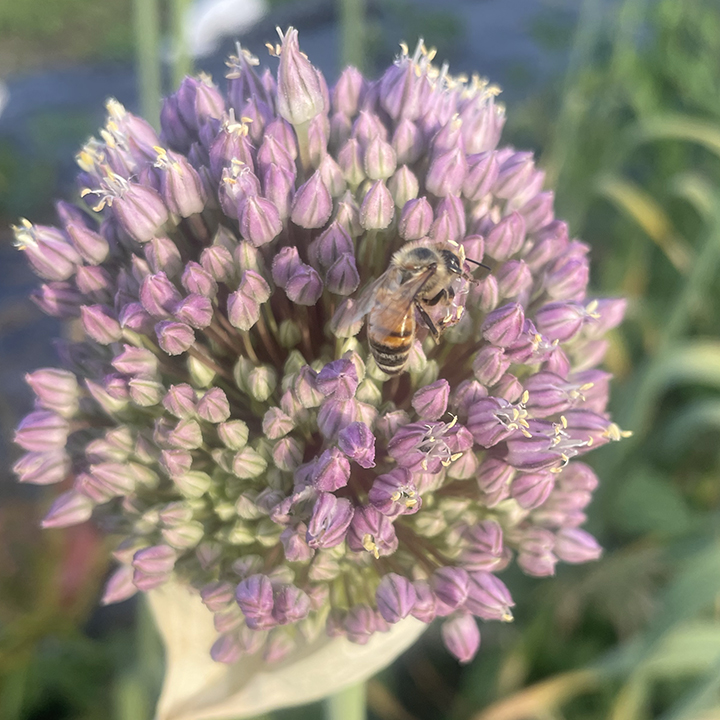
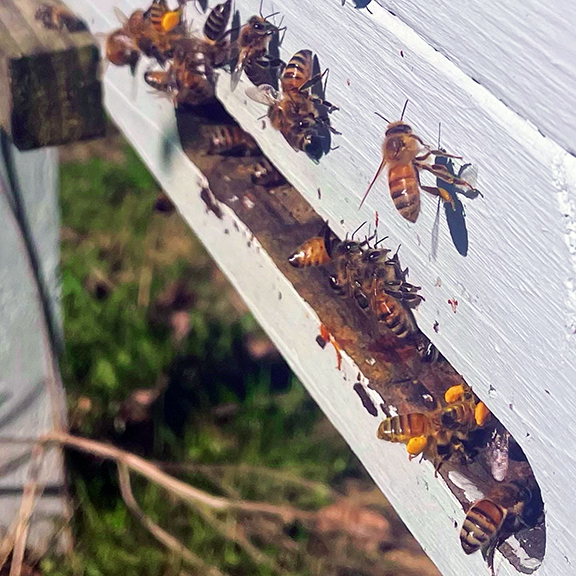
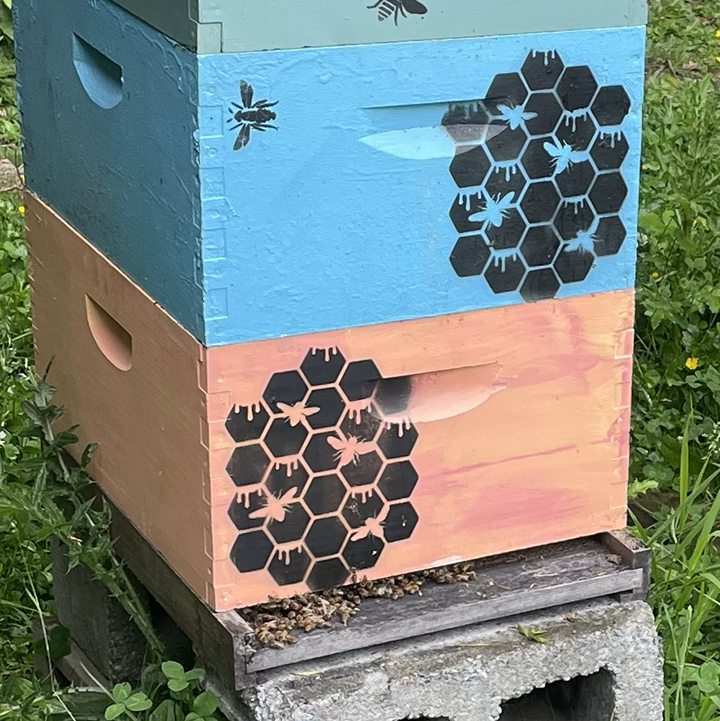
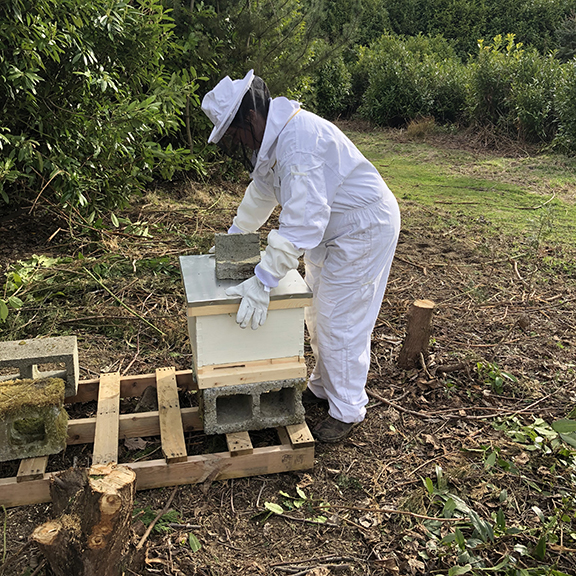
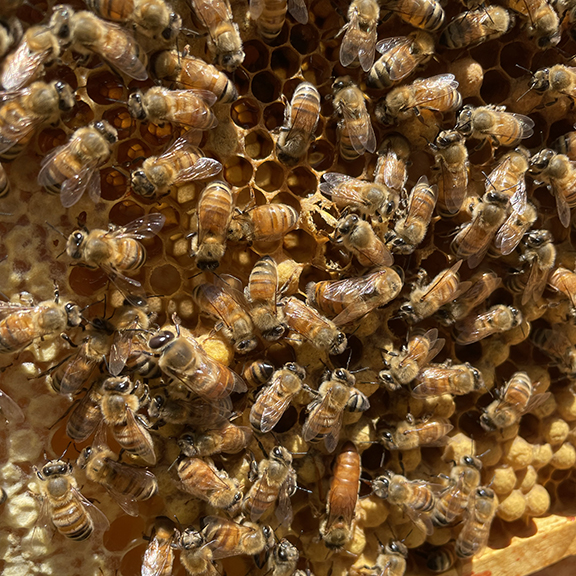
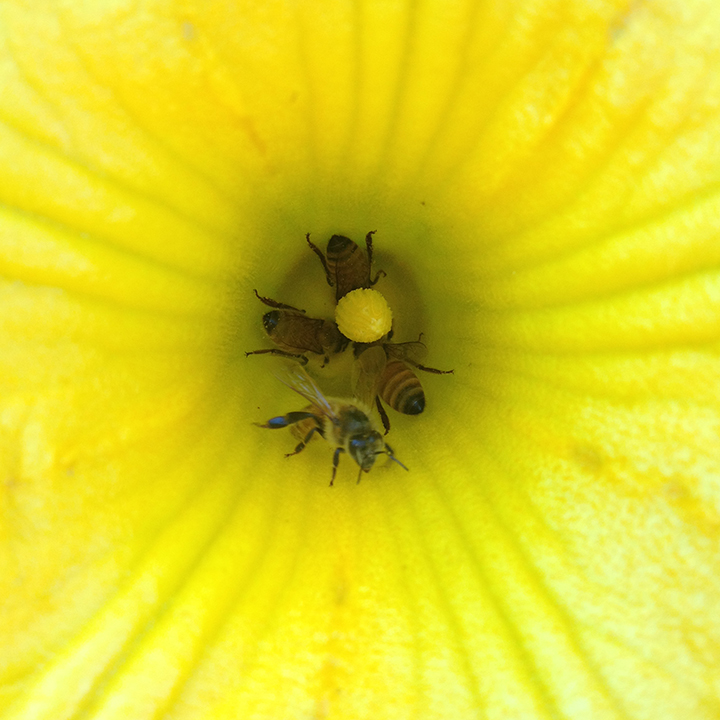
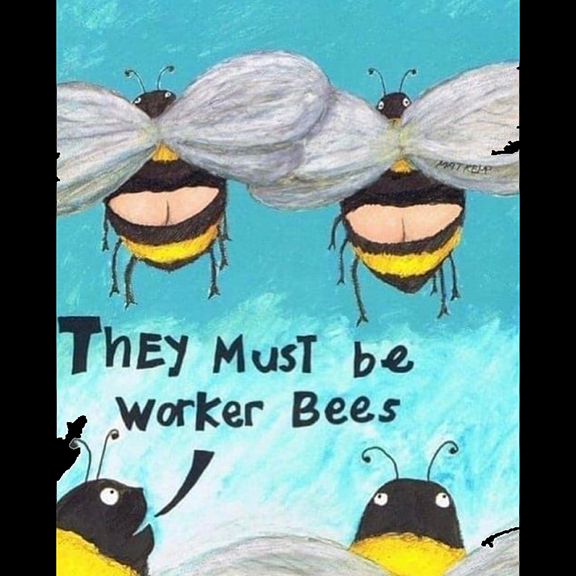
TTF keeps between 4 and 6 honeybee hives, primarily for pollination of crops but also for some of the gifts that honeybees share: honey, wax for candles and balms, and propolis for tinctures. We definitely operate on an amateur basis, but occasionally sell our honey and balms on the farmstand.
Our small apiary is likewise not certified organic or CNG, but we do use organic practices for their care. To help our honeybees with their #2 enemy in the U.S., the varroa mite, we treat using oxalic acid (sponges and vaporizing) and biannual strips of Formic Pro. Some people consider varroa their #1 enemy, but we believe pesticides fulfill that role.
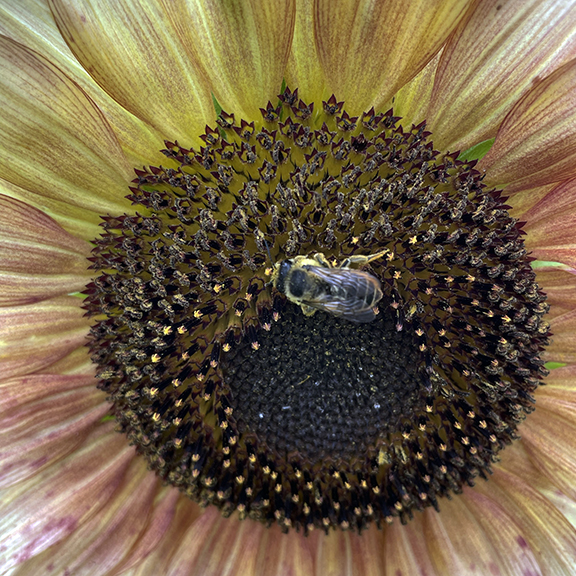
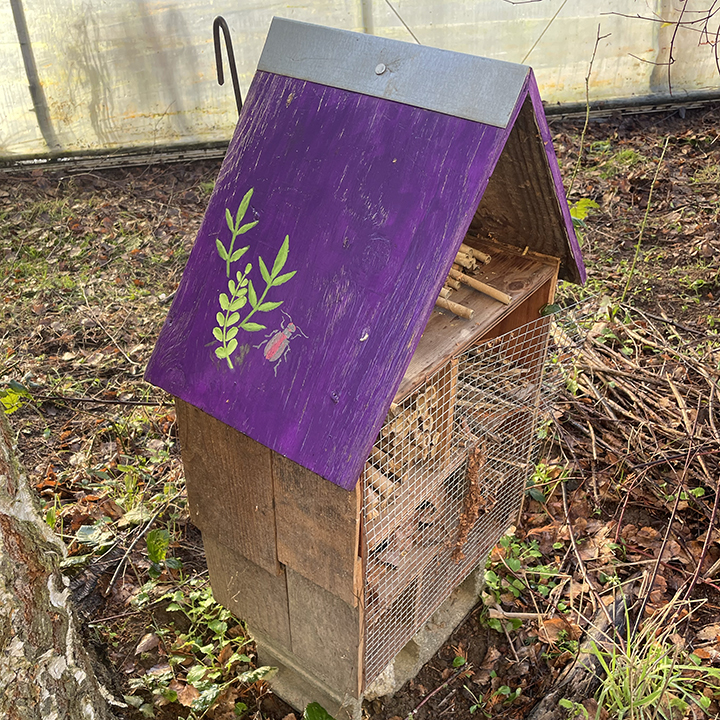
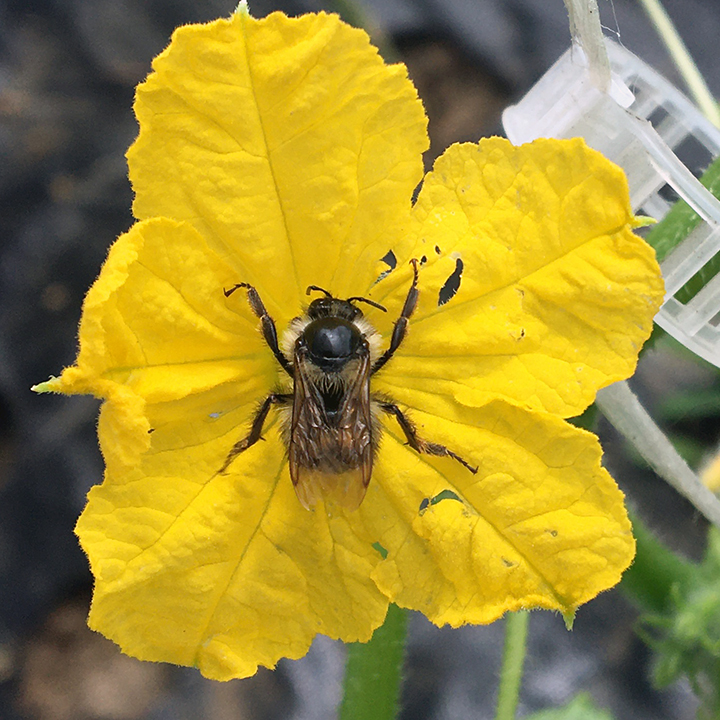
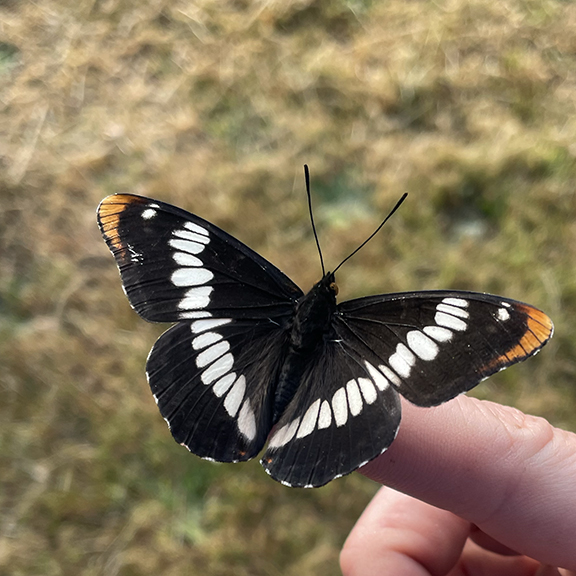
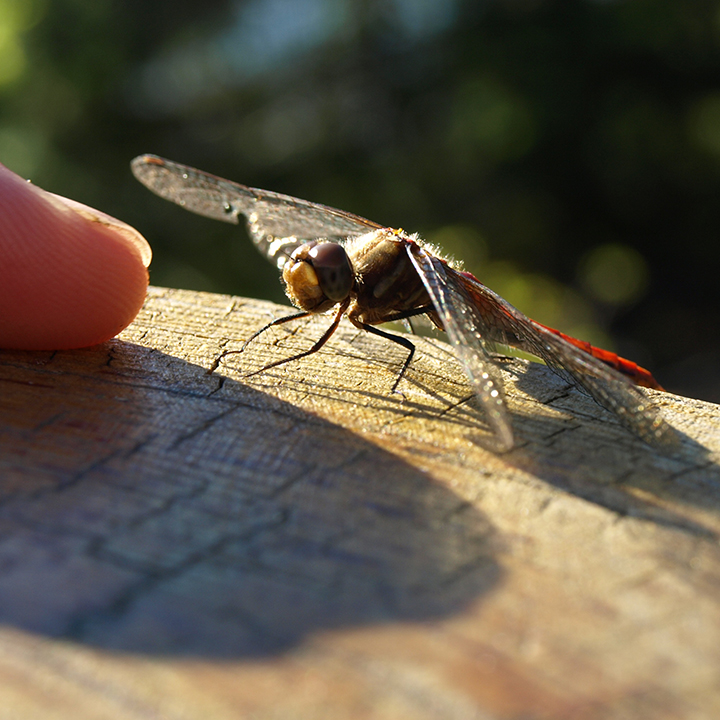
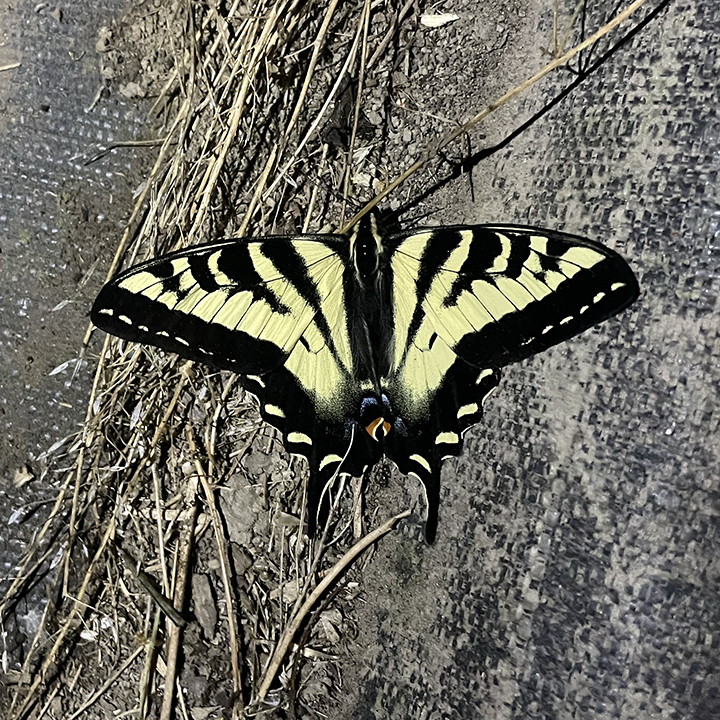
In addition to honeybees, we try to encourage a wide range of native pollinating insects – such as mason bees, bumblebees, and soldier beetles (among others). We provide insect houses and safe places for insects to overwinter, as well as planting diverse flowers, plants, and trees along with our crops – with the hopes that our beneficial insects don’t have to forgage much beyond our pesticide-free boundaries!